Stellantis NV and the U.S. government are reportedly in the final stages of negotiations to resolve a long-standing dispute over tariffs, according to sources familiar with the matter. The automotive conglomerate, formed from the merger of Fiat Chrysler and PSA Group, has been engaged in intense discussions with U.S. trade representatives for months. These talks appear to be reaching a critical juncture, with both sides signaling a willingness to find common ground on the contentious issue.
The heart of the dispute centers on tariffs imposed during the previous administration that significantly impacted Stellantis's operations and supply chain costs. The company has argued that these tariffs have placed it at a competitive disadvantage, particularly as it seeks to expand its electric vehicle production capabilities in North America. Industry analysts have been closely watching these negotiations, recognizing their potential to reshape the automotive manufacturing landscape in the United States.
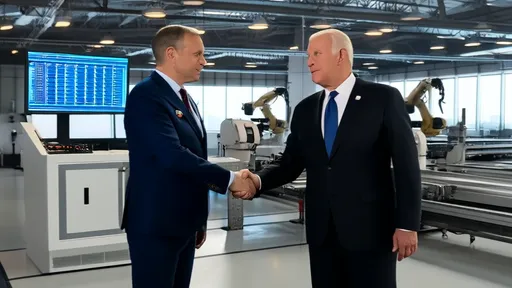
Multiple sources within both the company and government circles have indicated that the framework of an agreement is largely in place, though some final details remain to be ironed out. The proposed solution is said to involve a combination of tariff relief, investment commitments, and job creation guarantees that would benefit American workers while addressing Stellantis's concerns about operating costs. This balanced approach appears to have gained traction with key stakeholders on both sides of the negotiating table.
The timing of these developments is particularly significant as Stellantis continues to navigate the global transition to electric vehicles. The company has announced ambitious plans to electrify its entire vehicle lineup, but has expressed concerns about the financial burden imposed by current tariff structures. A favorable resolution to these negotiations could provide the company with greater flexibility to accelerate its EV investments in the United States.
Government officials have been particularly focused on ensuring that any agreement includes substantial commitments to American manufacturing and employment. The Biden administration has made domestic job creation and revitalization of the U.S. automotive industry central pillars of its economic policy. Sources indicate that Stellantis has shown willingness to make significant new investment promises in American facilities as part of the potential agreement.
The negotiations have not been without their challenges. Both sides have had to navigate complex issues involving supply chain logistics, existing trade agreements, and competing economic priorities. However, the progress made in recent weeks suggests that these obstacles are being overcome through careful compromise and creative problem-solving. The willingness of both parties to find mutually acceptable solutions has been cited as a key factor in bringing the talks to this advanced stage.
Market analysts have begun to assess the potential impact of a finalized agreement on Stellantis's competitive position. Many believe that tariff relief could significantly improve the company's margin structure in North America, particularly for vehicles and components that currently face substantial import duties. This improved financial position could allow Stellantis to be more aggressive in its pricing strategies and product development initiatives.
The automotive industry as a whole has been watching these developments with keen interest, recognizing that the outcome could set important precedents for how the U.S. government handles similar disputes with other manufacturers. Several other automakers have ongoing concerns about tariff structures and trade policies, making the Stellantis negotiations something of a test case for future discussions.
Labor representatives have also been engaged in the process, advocating for protections and commitments that would benefit American autoworkers. The United Auto Workers union has been particularly vocal about ensuring that any tariff relief for manufacturers translates into concrete benefits for workers, including job security and fair wages. Sources indicate that these concerns are being addressed in the current draft of the agreement.
Environmental considerations have also played a role in the negotiations, with the administration pushing for commitments that align with its climate goals. Stellantis's electric vehicle plans have become a significant part of the discussion, with the company expected to make additional commitments to sustainable manufacturing practices and clean technology development as part of the final package.
The financial implications of the potential agreement are substantial for both Stellantis and the broader automotive market. Analysts estimate that resolution of the tariff issues could save the company hundreds of millions of dollars annually, funds that could be redirected toward research and development or passed through to consumers through more competitive pricing. This financial flexibility could prove crucial as the industry faces increasing pressure to invest in new technologies.
Supply chain experts have noted that the agreement could lead to significant restructuring of how Stellantis sources components and materials for its North American operations. Reduced tariff burdens might make certain import options more viable, while also creating opportunities for expanded domestic sourcing. This rebalancing could have ripple effects throughout the automotive supply ecosystem.
International trade specialists have been particularly interested in how the agreement might influence broader U.S. trade policy. The resolution of this dispute could signal a more pragmatic approach to tariff enforcement, one that balances protectionist goals with recognition of global supply chain realities. This could have implications far beyond the automotive sector, potentially influencing how the administration handles similar issues with other industries.
As the negotiations enter their final phase, both Stellantis and government officials have maintained a cautious public stance, refusing to comment on specifics while emphasizing their commitment to finding a workable solution. This discretion is typical for sensitive trade discussions, but the advanced stage of talks has made it increasingly difficult to keep details completely confidential.
The coming weeks are expected to be critical for finalizing the agreement, with legal teams from both sides working to translate the broad understanding into precise contractual language. This process typically involves addressing numerous technical details and ensuring that all commitments are clearly defined and enforceable. The complexity of these final stages means that timing remains somewhat uncertain, though sources indicate that completion is likely within the current quarter.
Industry observers will be watching for any official announcements from either Stellantis or the administration, which would signal that a final agreement has been reached. Such an announcement would likely include details about the specific terms of the agreement, including investment commitments, job creation targets, and the scope of tariff relief. These details will be crucial for investors and analysts seeking to understand the full impact on Stellantis's operations and financial performance.
The resolution of this dispute would represent a significant achievement for both Stellantis management and Biden administration officials, demonstrating their ability to find common ground on complex trade issues. It would also remove a major uncertainty that has been hanging over the company's North American operations, potentially allowing for more confident long-term planning and investment decisions.
As the automotive industry continues to undergo rapid transformation, the ability of companies and governments to work collaboratively on issues like tariffs will be increasingly important. The Stellantis negotiations may well provide a template for how such discussions can be conducted productively, balancing corporate needs with national economic priorities. The outcome could influence trade policy approaches for years to come.
While final details remain to be confirmed, the progress made in these negotiations suggests that a resolution is within reach. Both Stellantis and the U.S. government appear to recognize the mutual benefits of finding a workable compromise that addresses their respective concerns while supporting the broader goals of automotive industry competitiveness and American job creation.

By /Sep 15, 2025
By /Sep 15, 2025
By /Sep 15, 2025

By /Sep 15, 2025

By /Sep 15, 2025

By /Sep 15, 2025

By /Sep 15, 2025

By /Sep 15, 2025

By /Sep 15, 2025

By /Sep 15, 2025

By /Sep 15, 2025

By /Sep 15, 2025

By /Sep 15, 2025
By /Sep 15, 2025

By /Oct 10, 2025

By /Sep 15, 2025

By /Sep 15, 2025

By /Sep 15, 2025

By /Sep 15, 2025

By /Sep 15, 2025
